
Concepts, Advantages, and Challenges
Continuous Integration
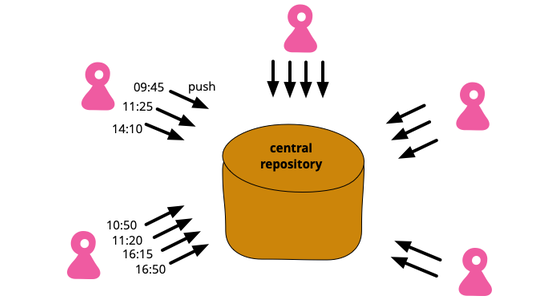
Continuous Integration is a software development practice where each member of a team merges their changes into a codebase together with their colleagues changes at least daily. Each of these integrations is verified by an automated build (including test) to detect integration errors as quickly as possible. Teams find that this approach reduces the risk of delivery delays, reduces the effort of integration, and enables practices that foster a healthy codebase for rapid enhancement with new features.
Introduction
In modern software development, Continuous Integration (CI) and Continuous Deployment (CD) have become essential methodologies for improving code quality, increasing development speed, and reducing errors. CI/CD practices enable teams to integrate code frequently, test software rigorously, and deploy updates seamlessly. By automating workflows and minimizing human intervention, CI/CD fosters efficiency and reliability in software development. This paper explores the core concepts of CI/CD, its advantages, and the challenges associated with its adoption.
Understanding Continuous Integration (CI)
Definition
Continuous Integration (CI) is a development practice where code changes are automatically integrated into a shared repository multiple times a day. Each integration triggers an automated build and testing process to identify potential errors early in the development cycle.
Key Principles of CI
- Frequent Code Integration – Developers merge changes into the main repository several times per day to avoid integration issues.
- Automated Testing – Automated test suites (unit, integration, functional tests) validate code changes before they are merged.
- Immediate Feedback – Developers receive real-time feedback on their changes, allowing them to address issues promptly.
- Build Automation – The system compiles and packages the code automatically, reducing human errors.
- Consistent Environments – CI ensures that builds and tests run in standardized environments, preventing discrepancies.
Understanding Continuous Deployment (CD)
Definition
Continuous Deployment (CD) extends CI by automating the release process. After successful integration and testing, CD systems automatically deploy updates to production environments without manual intervention.
Key Principles of CD
- Automated Releases – Once the code passes all tests, it is automatically deployed to production.
- Incremental Updates – CD promotes small, frequent updates rather than large, complex releases.
- Rollback Mechanisms – If a deployment fails, the system can automatically roll back to the previous stable version.
- Feature Flags – Allows developers to enable or disable features without redeploying the entire application.
- Continuous Monitoring – Tracks system performance and errors post-deployment to detect issues early.
Advantages of CI/CD
1. Faster Development Cycles
- CI/CD automates code integration and deployment, significantly reducing the time between writing and deploying new features.
- Developers can release features quickly without waiting for long manual approval processes.
2. Improved Code Quality
- Automated testing catches bugs early, preventing costly fixes later.
- Frequent integrations mean developers work on smaller, more manageable changes instead of large, risky updates.
3. Reduced Deployment Risk
- Since code is released in small increments, potential failures impact fewer users.
- Teams can quickly revert to a previous version in case of issues.
4. Enhanced Collaboration and Transparency
- Developers, testers, and operations teams work collaboratively as changes are visible in real-time.
- CI/CD promotes a culture of shared responsibility rather than siloed development.
5. Cost Efficiency
- Automated testing and deployment reduce the need for manual QA and release management, lowering operational costs.
- Detecting and fixing issues early prevents expensive production failures.
Challenges and Disadvantages of CI/CD
1. Initial Setup Complexity
- Implementing CI/CD requires effort in configuring automation pipelines, test suites, and deployment workflows.
- Organizations must invest in infrastructure, tools, and training for effective adoption.
2. High Dependence on Automated Testing
- The reliability of CI/CD depends on the quality of automated tests.
- Poorly written tests can lead to false positives or negatives, causing incorrect deployments.
3. Security and Compliance Concerns
- Automated deployments may introduce security vulnerabilities if access controls are not properly managed.
- Compliance-heavy industries (e.g., healthcare, finance) must ensure strict regulatory adherence before deploying changes.
4. Potential Overhead for Small Teams
- Small development teams may not benefit significantly from full-scale CI/CD due to limited resources.
- Over-automation can introduce unnecessary complexity when manual processes would suffice.
5. Cultural Resistance to Change
- Traditional development teams may hesitate to adopt CI/CD due to unfamiliarity.
- Organizations must train employees and promote a DevOps mindset to ensure smooth adoption.
Best Practices for Successful CI/CD Implementation
- Start Small and Scale Gradually – Begin with a basic CI/CD pipeline and improve it over time.
- Invest in Automated Testing – High-quality tests ensure reliability and prevent deployment failures.
- Monitor and Log Everything – Use monitoring tools to track system health and identify issues early.
- Use Feature Flags – Deploy changes safely by controlling which users see new features.
- Foster a DevOps Culture – Encourage collaboration between development, operations, and QA teams.
Conclusion
CI/CD revolutionizes software development by reducing integration pain, automating deployments, and enhancing code quality. While challenges exist, the long-term benefits outweigh the initial setup efforts. By adopting best practices, investing in automation, and fostering a DevOps culture, organizations can deliver software faster, safer, and more efficiently. As technology evolves, CI/CD will remain a cornerstone of modern development, driving innovation and agility in software engineering.
References
- Fowler, Martin. “Continuous Integration.” martinfowler.com
- Humble, Jez, and David Farley. Continuous Delivery: Reliable Software Releases through Build, Test, and Deployment Automation
- Kim, Gene, et al. The DevOps Handbook